Camp Is My Second Home: A Hands-On Design Review
First Impressions and the Mood It Carries
When I first opened the Camp is My Second Home file, I immediately felt the weight of its sentiment. This is not a flashy, trend-driven graphic. It is a heartfelt statement piece that leans into nostalgia, belonging, and the kind of loyalty people feel toward a place that shaped them. Whether that place is a summer camp, a retreat center, or a community program, this design speaks directly to people who carry that connection into adulthood.
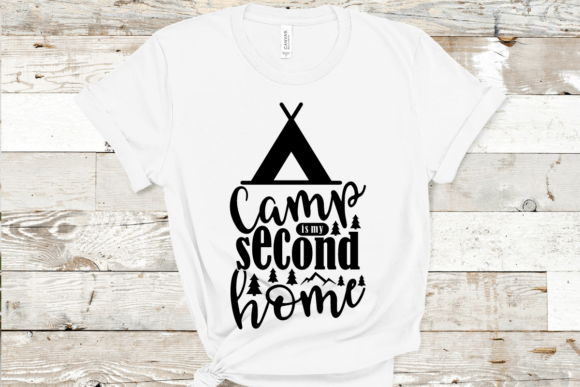
Visually, the layout is straightforward and easy to read. The lettering carries a friendly, hand-drawn quality that avoids being overly childish or overly refined. It sits comfortably in a space that appeals to children, teens, and adults alike. The shape is compact enough to work on a variety of surfaces, yet it has enough presence to stand alone as a focal point. As a designer, I appreciate when a graphic knows what it wants to say, and this one says it clearly without trying too hard.
Because this is a Graphics product rather than a pre-digitized machine embroidery file, you have flexibility. The included SVG and PNG files mean you can adapt it for multiple purposes, from t-shirt designs to signs and monograms. That said, if you plan to stitch it, you will need to run it through your digitizing software or commission a digitizer to convert it into an embroidery file suited to your machine. I always recommend confirming the file format and hoop size before you begin any project.
Real Project Testing: From Digital File to Finished Product
I wanted to see how Camp is My Second Home would hold up in a real-life embroidery situation, so I prepared a custom tote bag for a friend who works at a summer camp. I used a medium-weight cotton canvas in a natural cream color and chose a deep forest green thread for the lettering. The contrast was clean and the design read beautifully from a few feet away.
Because the file is delivered as SVG and PNG, I opened the SVG in my digitizing software, adjusted the sizing to fit a 5x7 hoop, and selected a combination of satin stitch for the main lettering and a light fill stitch for any solid areas. The design stitched out smoothly with no unexpected gaps or distortion. The letters maintained their shape, and the overall finish looked professional enough to sell in a small shop or at a craft fair.
I also tested it on a lightweight cotton t-shirt using a tear-away stabilizer. The design held up well, though I did notice that on very thin fabric, the stitch density caused a slight puckering around the taller letters. Using a cut-away stabilizer solved the issue completely. If you plan to stitch this design on custom apparel like t-shirts or sweatshirts, I strongly suggest testing on a scrap piece of the same fabric first.
Where Camp is My Second Home Shines Brightest
This design feels right at home on a wide range of handmade products. Here is where I think it performs best:
- Sweatshirt embroidery – The cozy, nostalgic mood of the design pairs naturally with a comfortable sweatshirt. It becomes a wearable memory.
- Tote bag design – As I tested, it works beautifully on a sturdy tote. This is a strong option for Etsy sellers looking to offer personalized camp-themed bags.
- Embroidered patch – Because the design is compact, it digitizes well as a patch. You could sew it onto backpacks, jackets, or duffel bags.
- Baby embroidery – For a baby onesie or receiving blanket, the design feels sweet without being overly sentimental. Just size it down carefully and watch the stitch density.
- Holiday embroidery and gifts – This makes a thoughtful personalized gift for camp counselors, directors, or anyone who spent formative summers at camp.
- Pillow covers and tea towels – The design adds a personal, handmade touch to home decor items. It would sell well at a craft fair or in a small shop.
For commercial embroidery or small business merchandise, the design has strong recognition value. People who connect with the sentiment will immediately see it as something they want to wear or give.
Where You Should Approach with Care
No design is perfect for every surface, and Camp is My Second Home has a few limitations worth noting before you commit to a project.
- Small hoop sizes – If you are working with a 4x4 hoop, the lettering may need to be reduced significantly. At small sizes, the thinner strokes can become crowded and lose clarity. I recommend keeping the design at least 4 inches wide for readable results.
- Textured fabrics – On fabrics like fleece, terry cloth, or heavy knits, the lettering can sink into the texture and lose sharpness. Use a firm stabilizer and consider a running stitch outline to help define the edges.
- Dark fabric – The design relies on readable lettering. On dark backgrounds, choose a thread color with strong contrast. A white or bright thread works well, but test first to make sure the fill stitches don't get lost.
- Curved surfaces like caps – Because the design is linear and has a consistent height, it can be tricky to hoop on a curved cap front. You may need to use a cap frame and adjust the digitizing to account for the curve.
- Tiny lettering or dense accents – If you resize the design too small, the satin stitch areas may become too dense and cause fabric puckering. Always check your digitizing software for stitch density warnings.
- Products needing frequent washing – For items like kitchen towels or baby clothes, use a high-quality stabilizer and consider a light fill stitch that can withstand repeated laundering.
The Effect on Visual Appeal and Product Value
When a design is well executed, it does more than just look good. It changes how a customer perceives the entire product. Camp is My Second Home has a genuine, unforced quality that makes people trust the item. It feels like something made with care, not something mass-produced.
For handmade product sellers, that kind of trust is gold. A customer who buys a sweatshirt or tote bag with this design is likely to see it as a meaningful purchase, not just another piece of apparel. That translates into higher perceived value, better reviews, and more word-of-mouth referrals.
From a brand consistency standpoint, the design works well if your shop focuses on camp-themed, nature-inspired, or nostalgic products. It reinforces a warm, welcoming identity. It also works beautifully for printable mockups and design assets in digital product listings, giving potential buyers a clear sense of what the finished item will look like.
For Etsy sellers and creative entrepreneurs, this design can be a reliable staple. It is versatile enough to appear in multiple listings, yet distinct enough to stand out in a crowded marketplace.
Embroidery Designer Notes Before You Stitch
Before you commit Camp is My Second Home to a final project, here are the practical steps I recommend taking:
- Test on scrap fabric first. I cannot emphasize this enough. Even if the file looks perfect on screen, real fabric behaves differently. Run a test stitch on a piece of fabric similar to your final product.
- Check thread color contrast. Place your chosen thread color against the fabric and view it under the same lighting you will use for production. What looks good in the store may look flat in natural light.
- Review stitch density. Open the digitized version in your software and look for areas where stitches may be too close together. Adjust as needed to avoid puckering or thread breaks.
- Confirm hoop size. Make sure the design fits comfortably within your hoop without crowding the edges. Leave at least half an inch of space around the design for hooping stability.
- Inspect small details. If you scaled the design down, zoom in and check that every letter remains readable. Thin strokes and tight curves are the first to suffer at small sizes.
- Test in black and white mockups. Before stitching, view the design in grayscale to check for contrast issues. If it looks muddy in black and white, it will likely look muddy in color.
- Compare light and dark fabric backgrounds. The same thread color can look completely different on a white tee versus a navy hoodie. Test both if you plan to offer options.
- Use proper stabilizer. For most woven fabrics, a medium-weight cut-away stabilizer works well. For knits, consider a tear-away with a layer of fusible stabilizer. Always match the stabilizer to the fabric, not the design.
- Check licensing before selling. Since this is a Graphics product delivered as SVG and PNG, confirm the license terms for commercial embroidery and digital product sales. Some graphics licenses allow unlimited use, while others restrict how you can sell finished items. Always read the fine print before listing a product.
- Decide on personal or commercial use. If you are stitching this for a friend or a one-time gift, the process is straightforward. If you plan to sell finished items at a craft fair or on Etsy, make sure you have the rights to do so.
Final Thoughts on Using and Selling
Camp is My Second Home is the kind of design that rewards thoughtful preparation. It is not complicated, but it benefits from a careful hand during digitizing and stitching. When done right, it produces a finished product that feels personal, professional, and emotionally resonant.
For machine embroidery enthusiasts, small shop owners, and hobbyists alike, this design offers a solid foundation for a wide range of projects. I have used it on a tote bag, and I am already planning a version on a cozy sweatshirt for a holiday gift. It is the kind of design that keeps earning its place in my project queue.
If you are looking for a t-shirt design or a versatile graphic for sign making, monograms, or logo work, the SVG and PNG files give you that flexibility. Just remember to treat the embroidery conversion process with the same care you would give any custom project. Test, adjust, and test again. Your customers will notice the difference, and your products will stand out for all the right reasons.