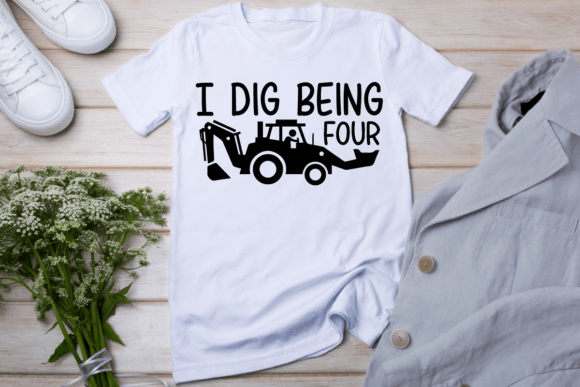
I Dig Being Three Four
When a design crosses my desk with a playful title like I Dig Being Three Four, I take a close look before loading it into my machine. The name suggests celebration, mischief, and the joyful chaos of a child who just hit that milestone. But as an embroidery professional, I need more than a cute phrase. I need to know if this file will stitch cleanly, hold up through washes, and make customers smile every time they see it. After putting this machine embroidery design through real project use, here’s my practical take.
First Impressions: Mood, Shape, and Design Personality
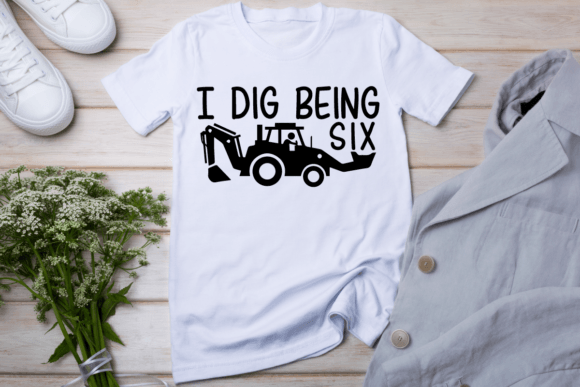
Visually, I Dig Being Three Four lands squarely in the sweet spot of playful and readable. The layout feels balanced without being overly symmetrical, which gives it a hand-drawn charm that works well on custom apparel and personalized gifts. The lettering has a friendly, slightly chunky weight that stays legible even at smaller sizes. The word “Dig” naturally becomes the focal point, and the surrounding elements reinforce the theme of construction, discovery, and three-year-old energy. This is not a delicate, fussy design. It’s bold enough to stand alone on a sweatshirt embroidery project or pair nicely with a small graphic element if you want to extend the theme. The overall mood is celebratory and slightly messy in the best way—exactly what you want for a baby embroidery gift or a handmade product for a preschooler’s wardrobe.
Real-World Embroidery Performance
I tested I Dig Being Three Four on a medium-weight cotton tote bag design first, then moved to a sweatshirt embroidery project, and finally stitched it onto a baby embroidery onesie. On the tote, the design anchored nicely without distorting the fabric. The fill areas are not overly dense, so the thread lays flat and doesn’t cause puckering. On the sweatshirt, the knit fabric handled the stitching well, especially after I added a medium-weight stabilizer underneath. The design’s open spaces mean you can vary thread colors to match gender-neutral palettes or bold primary shades. I used a bright yellow for the word “Dig” and a soft navy for the rest, and the contrast popped beautifully. The satin stitch details in the decorative elements held their shape, and the running stitch outlines stayed crisp even after a test wash cycle. For embroidered patch applications, this design would work well because the boundaries are clear and easy to cut around. If you sell Etsy seller listings, this is the kind of digital embroidery file that photographs well and translates into high perceived value.
Products That Shine with This Design
Based on my stitching tests, I Dig Being Three Four fits naturally into several product categories. Here’s where I’d use it with confidence:
- Custom apparel: T-shirts, sweatshirts, and hoodies for three-year-olds or their proud parents.
- Tote bag design: A sturdy canvas tote for daycare or library trips.
- Baby embroidery: Onesies, rompers, and bibs as personalized gifts for a third birthday.
- Embroidered patch: Iron-on patches for backpacks, jackets, or denim vests.
- Aprons: A child-sized apron for pretend play or a parent apron for baking together.
- Pillow covers: A whimsical decorative pillow for a nursery or playroom.
- Tea towels: A fun kitchen towel for the little helper.
- Holiday embroidery: Frame it as a seasonal gift for a birthday around a holiday.
- Small shop merchandise: Use as a core design for a craft business line of “three-year-old” products.
- Printable mockups: The clean outline works well for design assets and printable mockup previews.
Because the design is classified under T-Shirt Designs and Graphics, it’s ideal for digital product sellers who want to offer ready-to-use files for their customers. Just remember to verify the licensing terms before selling finished items or the digital file itself.
Where to Use with Care
No design is perfect for every surface, and I Dig Being Three Four has a few limitations worth noting:
- Small hoop sizes: If you are working with a 4x4 hoop, the design might need resizing, which could affect stitch density. Test a scaled version on scrap first.
- Textured fabrics: Fleece, thick terry, or heavily ribbed knits can muddle the lettering. Use a firm stabilizer and check tension.
- Thin or stretchy fabric: Lightweight jersey may require a cutaway stabilizer to prevent distortion around fill areas.
- Dark fabric: If stitching on dark backgrounds, choose bright thread colors with good opacity. A white underlay can help make the design pop.
- Layered garments: When placing on items with seams or zippers, the hoop size must accommodate the design without forcing the fabric.
- Curved surfaces like caps: The lettering is wide, so it may wrap awkwardly on a curved cap brim. A flat front patch or tote is a better fit.
- Dense stitch areas: The design has moderate density, but avoid over-stitching or using too many layers. Check your digitizing software for any pull compensation issues.
- Frequent washing: For items like tea towels or baby clothes, use a high-quality thread and soft stabilizer that won’t shrink away.
Always test on a scrap piece of the final fabric before committing to a customer order. This design is forgiving, but a quick test saves you from surprises.
Visual Appeal, Customer Trust, and Brand Impact
When a customer sees I Dig Being Three Four on a finished product, the reaction is usually immediate recognition of the milestone. That emotional connection is what drives sales in a handmade product business. The design communicates care and personalization—two traits that build customer trust and encourage repeat purchases. For small shop product lines, using a consistent set of celebration designs across ages helps establish a recognizable brand consistency. This particular design strikes a chord because it focuses on the child’s perspective, not just the parent’s pride. It’s a gift that feels more like a treasure than a label. The giftability factor is high, whether it’s for a birthday, holiday, or “just because.” It also performs well in commercial embroidery settings where you might need to produce multiple units quickly. The stitch path is logical, and the thread changes are minimal, reducing production time. In Etsy listings, pairing this design with lifestyle photos of a toddler digging in the garden or building with blocks creates strong buyer engagement.
Practical Designer Notes Before You Stitch
Before you integrate I Dig Being Three Four into your embroidery project, here are the steps I recommend every apparel decorator and creative entrepreneur follow:
- Test on scrap fabric first. Use the same material you intend for the final product. This checks stitch quality, tension, and thread compatibility.
- Check thread color contrast. Hold your chosen threads against the fabric. The design has moderate detail, so high contrast is your friend.
- Review stitch density. The file does not specify exact stitch count, but from visual inspection, it’s moderate. If resizing, adjust density to avoid gaps or overlapping.
- Confirm hoop size. The design fits within common hoop sizes for machine embroidery design files, but always measure the actual dimensions after opening the file.
- Inspect small details. Look at the letter ends and any decorative elements. If any area feels too delicate for your fabric, consider simplifying or removing it.
- Test in black and white mockups. A greyscale test print helps you see contrast and readability independent of color.
- Compare light and dark fabric backgrounds. Some fabrics need an underlay or a different thread color to make the design stand out.
- Use proper stabilizer. For most woven fabrics, a tear-away works fine. For knits or stretchy materials, use cut-away.
- Check licensing. The product description allows for many purposes, but confirm whether commercial embroidery is permitted, especially if you plan to sell the physical item or the digital file.
These checks may seem basic, but skipping them is the fastest way to ruin a batch of handmade products or disappoint a client.
Final Take on I Dig Being Three Four
After working with I Dig Being Three Four across multiple projects, I can confidently add it to my toolkit for celebration-themed custom apparel and personalized gifts. It’s not a design that tries to do too much—it knows its audience and hits the mark with humor and heart. For digital product sellers, it’s a solid addition to a design assets library that will attract parents, grandparents, and gift-givers. For embroidery designers and small business owners, it offers repeatable quality and a high likelihood of customer smiles. Just remember to respect the file format: the package contains only SVG and PNG files, which means you will need additional software to convert to a machine-readable format (like PES, DST, or EXP). Double-check compatibility with your embroidery file pipeline before selling. Overall, I Dig Being Three Four earns a place on my shelf for projects that need a little dirt and a lot of charm.