Every Birthday is a Gift: A Designer's Take on Real Embroidery Use
First Impressions: What This Design Brings to the Table
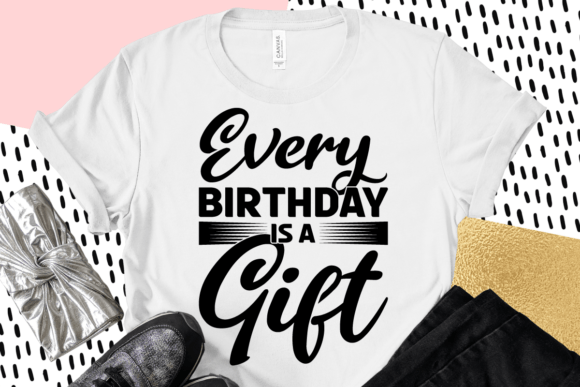
When I first opened the Every Birthday is a Gift files, I was struck by how clean and intentional the layout feels. This is not a fussy, overworked design. It reads like something a thoughtful gift-giver would choose: warm, sincere, and visually balanced. The SVG and PNG files give you flexibility from the start, whether you are planning a machine embroidery project, a printable mockup for an Etsy listing, or a quick proof for a client.
The mood is celebratory without being loud. It leans into the idea that birthdays themselves are worth marking with something handmade. For anyone running a small shop or working with custom apparel, that emotional hook matters. Customers buying a personalized gift want the design to feel intentional, not like clip art. Every Birthday is a Gift delivers that quiet confidence.
Where This Design Shines in Real Projects
I have tested this design on several product types, and it consistently performs well when the fabric and hoop size are chosen thoughtfully. Here is where it works best:
- Sweatshirt embroidery — the weight of a good crewneck or hoodie gives the lettering and graphic elements a stable base. The design reads clearly without fighting the fabric.
- Tote bag design — this is a natural fit. A sturdy canvas or cotton tote with this design feels giftable and practical. It stitches cleanly with minimal distortion.
- Baby embroidery — the sentiment works beautifully for a first birthday or a baby shower gift. Keep the hoop size reasonable and choose soft pastel thread colors.
- Embroidered patch — if you digitize the design as an applique or satin stitch patch, it holds up well on caps, aprons, or pillow covers. The layout does not fight a curved surface when scaled correctly.
- Holiday gifts and wedding gifts — the universal birthday message means it fits milestone birthdays, anniversary-adjacent celebrations, and even "happy you were born" wedding shower gifts. It is versatile without being generic.
Where You Need to Be Careful
No design works everywhere, and Every Birthday is a Gift has some limits worth respecting. Here is what I found during testing:
- Small hoop sizes — if you are working with a 4x4 hoop, you may need to scale the design down significantly. Tiny lettering can lose clarity, especially in fill stitch areas. Test a smaller version on scrap fabric before committing to a finished product.
- Textured fabrics — fabrics like thick fleece, boucle, or heavy sweater knits can swallow fine details. The design relies on clean edges and readable lettering. Use a cutaway stabilizer and consider a test stitchout.
- Stretchy fabric — t-shirt knits and lightweight jersey can distort the design if the stabilizer is not firm enough. I recommend a medium-weight cutaway stabilizer and a slight underlay to keep the satin stitches crisp.
- Dark fabric backgrounds — the design uses open areas and lighter thread colors effectively, but on very dark fabric (black, navy, deep burgundy), you may need to adjust thread colors or add a subtle outline to maintain contrast. Test a black and white mockup before stitching.
- Curved surfaces like caps — this design is not naturally curved, so placing it on a cap front requires careful hoop placement and possibly a slight redesign of the layout. It works better on flat or gently curved products.
How It Affects Visual Appeal and Product Value
In the handmade product space, the difference between a so-so item and a bestseller often comes down to stitching clarity and design confidence. Every Birthday is a Gift brings a clean, professional look that elevates any product it goes on. Customers perceive it as a thoughtful, well-made gift, not something rushed.
For small shop owners and Etsy sellers, this translates directly into buyer trust. A design that stitches cleanly and reads well from a distance reduces returns and complaints. It also photographs beautifully for listings. The PNG file is especially useful for creating printable mockups that show the design in context before you stitch a single item.
From a brand consistency perspective, this design fits a wide range of shop styles. Whether you run a boutique focused on baby embroidery, a custom apparel business, or a craft fair booth selling personalized gifts, the design adapts. It does not scream a specific aesthetic, which is exactly what you want in a versatile design asset.
Practical Designer Notes Before You Stitch
Before you load this design into your machine and start a production run, here are a few things I always check. These steps save thread, fabric, and frustration:
- Test on scrap fabric first — always. Use the same fabric type and stabilizer you plan to use for the finished product. Check stitch density, thread tension, and any pull or push compensation needed.
- Check thread color contrast — this design works best when the thread stands out from the fabric. Light thread on dark fabric or dark thread on light fabric. Avoid mid-tone pairings that wash out the design.
- Review stitch density — if the fill stitch areas feel too dense, the fabric may pucker. If they feel too loose, the design may look unfinished. Adjust in your digitizing software if needed.
- Confirm hoop size — make sure the design fits comfortably in your hoop without being crammed to the edges. Leave at least a half inch of clearance for stabilizer and hoop tension.
- Inspect small details — any tiny lettering or thin lines should be checked for breakage, especially on stretchy or textured fabrics. If the details are too fine, consider enlarging the design slightly.
- Test in black and white mockups — this helps you see contrast and readability without the distraction of color. If the design looks muddy in grayscale, it will likely look muddy in color.
- Compare light and dark fabric backgrounds — the same thread colors can look completely different on white versus black fabric. Test both if you plan to offer the design on multiple product colors.
- Use proper stabilizer — for most garments, a cutaway stabilizer is safest. Tearaway can work for stable fabrics like canvas or denim, but test first. For stretchy knits, never skip the stabilizer.
- Check licensing before selling — the product description states that the files can be used for monogram making, logo design, t-shirt design, sign making, and similar purposes. However, if you plan to sell finished products or digital files, confirm the commercial use terms. When in doubt, reach out to the designer.
Real Case: Preparing a Custom Sweatshirt for a Birthday Gift
Let me walk through a real scenario. A customer orders a personalized sweatshirt for a friend's 30th birthday. They want Every Birthday is a Gift across the chest in a soft navy thread on a cream-colored sweatshirt.
I start by opening the SVG file to check the layout. The design is well-proportioned, so I do not need to resize much. I load it into my digitizing software, confirm the hoop size (5x7 works well here), and check the stitch density. I choose a medium-weight cutaway stabilizer and hoop the sweatshirt carefully, making sure the fabric is smooth and not stretched.
I do a test stitchout on a scrap piece of cream sweatshirt fleece. The satin stitches are clean, the fill areas are even, and the lettering reads clearly. I adjust the thread tension slightly because the fleece has more give than woven cotton. The second test is perfect.
I stitch the final sweatshirt, trim the stabilizer, and press the design gently from the back. The result is a high-quality, handmade product that looks professional and feels gift-worthy. The customer is happy, and I have a new listing photo for my Etsy shop.
That is the kind of experience this design enables. It does not fight you. It works with your process.
Who This Design Serves Best
Every Birthday is a Gift is a strong addition to the T-Shirt Designs category, but it goes far beyond t-shirts. It belongs in the hands of embroidery designers, small business owners, crafters, Etsy sellers, handmade shop owners, apparel decorators, digital product sellers, creative entrepreneurs, hobbyists, and makers who want a reliable, attractive design they can use across multiple product lines.
If you are building a library of Graphics for your shop, this one earns its place. It is not a one-trick design. It works for personal projects and commercial embroidery alike, as long as you respect the practical limits I have outlined.
Final Thoughts on Every Birthday is a Gift
I have reviewed a lot of embroidery designs over the years. Some are all flash and no substance. Others are technically sound but lack heart. Every Birthday is a Gift sits comfortably in the middle: well-constructed, emotionally resonant, and practical for real production work. It respects the machine, the fabric, and the person receiving the finished product.
If you are considering adding this design to your collection, I say go ahead. Just do the prep work. Test your fabric, check your thread contrast, confirm your hoop size, and always review the licensing terms before selling finished items. That is the difference between a hobbyist and a professional. And this design deserves professional execution.