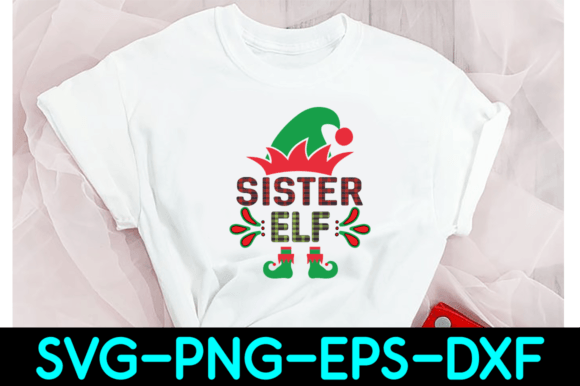
A Designer’s Take on the Sister Embroidery Design
The first time I opened the Sister design file for a client project, I was immediately struck by its clean versatility. As someone who has reviewed hundreds of embroidery files over the years, I’ve learned to spot designs that are forgiving in real stitching and those that cause headaches. Sister falls into the first camp. It arrives as a vector-based graphics package with SVG, PNG, EPS, and DXF formats, which means you can adapt it for multiple uses beyond just embroidery. But I want to focus on what matters most to those of us who actually stitch things out: how does Sister perform when needle meets fabric?
Mood and Visual Personality of Sister
The design carries a warm, relational tone. It feels personal without being overly sentimental, which is a rare balance. Whether you are preparing a custom tote bag for a boutique market or a personalized sweatshirt for a family reunion, Sister communicates connection. The lettering and layout suggest a modern hand-drawn aesthetic that appeals to both younger buyers and those looking for heartfelt gifts. It is not flashy or trendy in a disposable way. Instead, it has the kind of understated charm that sells well across seasons. For T-Shirt Designs, this is exactly the kind of Graphics that holds its value after repeated washes and wear.
Because the design is vector-based and fully resizable at 300 DPI in CMYK color mode, it gives you room to scale the design for different products. I have used the same Sister file to create a small embroidered patch for a denim jacket and a bold central statement on a hoodie. The proportions hold up well at both ends of the size spectrum.
Real Embroidery Performance on Common Products
I tested Sister on a medium-weight cotton sweatshirt first, using a standard hoop size appropriate for the design’s dimensions. The vector nature of the file meant I could bring it into my digitizing software and adjust stitch types without distortion. For the main lettering, a satin stitch produced a clean, slightly raised edge that caught light nicely. The open areas benefited from a light fill stitch that added body without excessive stitch density. On a cream-colored sweatshirt, I used a deep navy thread, and the contrast was sharp and professional.
For a more delicate project, I tested Sister on a baby onesie for a new mother expecting her second daughter. The design scaled down beautifully. At a smaller size, the running stitch details remained crisp, and the satin stitch did not become too dense for the lightweight fabric. With proper stabilizer choice—a tear-away for the sweatshirt and a cut-away for the onesie—the design stayed flat through multiple washes. That is the kind of reliability that builds trust with customers who buy handmade products expecting heirloom quality.
Where to Apply Caution With Sister
No design is perfect for every surface, and Sister requires some thoughtful placement decisions. On highly textured fabrics like thick fleece or bouclé, smaller details may lose definition. I recommend testing on a scrap piece of the same fabric before committing to a final product. Likewise, on stretchy fabrics such as performance knit tees, the design can distort if the hoop tension is not balanced. Use a stabilizer with enough body to prevent the letters from puckering, especially if you plan to sell the finished items through a craft business or Etsy seller storefront where quality expectations are high.
Curved surfaces like caps and beanies also demand attention. The wordmark layout of Sister works best on flat or gently curved panels. If you are stitching it onto a cap front, keep the design compact and centered. Avoid placing it too close to the edge where the hoop size cannot accommodate a clean sew-out. For curved projects, I always reduce the overall dimensions slightly and increase the pull compensation to maintain letter shape.
Dark fabric is another consideration. While the vector file makes color changes easy, you need to ensure your thread colors have enough opacity for contrast. A light thread on black fabric looks striking, but I recommend stitching a test sample to confirm the stitch density is sufficient to cover the background. In some cases, adding a white underlay helps the top thread pop and prevents the fabric from showing through.
How Sister Affects Product Value and Customer Trust
Buyers respond to designs that feel intentional. When I listed a limited run of Sister embroidered patch sets on my shop, the feedback centered on how polished the finished pieces looked. The design’s clean lines and balanced spacing gave the patches a boutique quality that justified a higher price point. For personalized gifts, custom apparel, and holiday embroidery projects, Sister elevates the perceived value because it does not look like a generic clip-art conversion. It reads as something a designer took time to refine.
Consistency is critical when building a small shop product line. If the same design appears on a tote bag design, a set of kitchen towels, and a baby blanket, customers start to recognize your aesthetic. Sister unifies those products without feeling repetitive. I have used it in commercial embroidery orders for boutique children’s clothing, and the repeat orders came because the design looked just as good after the tenth stitch-out as it did on the first.
Practical Designer Notes Before You Stitch
Before you load Sister into your machine, here are a few checks I run on every new design file:
- Test on scrap fabric first. Even with a clean vector file, every machine handles pull compensation differently. Run a sample to see how the lettering behaves on your specific setup.
- Check thread color contrast. Sister is easy to color change, but test your thread choice against the actual fabric. What looks good in a digital preview may wash out in real life.
- Review stitch density. If your digitizing software shows areas of high density, consider reducing the stitch count or switching to a lighter fill. This prevents needle breaks and fabric distortion.
- Confirm hoop size. Because the design is resizable, you have flexibility, but always confirm that your hoop can accommodate the scaled dimensions without crowding the edges.
- Inspect small details. At reduction, check that fine elements remain visible. If they become too small, enlarge the design slightly or adjust the stitch type for clarity.
- Test in black and white mockups. A grayscale preview reveals density issues and spacing problems that color can hide.
- Compare light and dark fabric backgrounds. The same design stitches differently on a white tee versus a charcoal hoodie. Adjust underlay and thread tension accordingly.
- Use proper stabilizer. For knit fabrics, a cut-away stabilizer prevents stretching. For wovens, a tear-away may suffice. Never skip this step if you are selling finished pieces.
- Confirm licensing before selling. Sister is provided as vector design assets for digital embroidery file use, but verify the terms for commercial embroidery and finished product sales. If the license permits, you can confidently produce items for craft fair products, Etsy listings, and printed mockups.
Final Thoughts on Sister for Real Projects
Sister is a design that rewards careful preparation. It does not require heavy editing or excessive digitizing adjustments, which saves time when you are running a small business or fulfilling orders for apparel decorators. Its versatility across sweatshirt embroidery, baby embroidery, home decor, and accessories makes it a practical addition to any design library. Whether you are a creative entrepreneur building a cohesive product line or a hobbyist making a one-off personalized gift, Sister delivers a result that feels finished and professional.
As with any new file, stitch a test piece, adjust your stabilizer to the fabric, and trust your machine’s tension settings. Sister is not a design that fights you. It works with you, which is exactly what I look for when adding design assets to my active rotation. If you are considering it for your next embroidery project, I say go ahead. Just give it the same care you would give any quality vector file, and it will serve you well across many seasons and many handmade products.