Oh Boy: A Bold Embroidery Design
As an embroidery designer and product reviewer, I’ve seen my fair share of designs that promise a lot but deliver little. Oh Boy is one that stands out for its simplicity and potential. The first thing that catches the eye is its clean, modern look. It’s not overly complex, which makes it versatile but also requires careful consideration when applying it to different projects.
The First Impression of Oh Boy
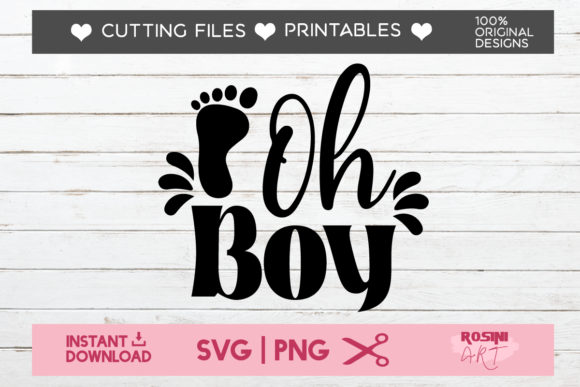
Oh Boy has a playful, slightly edgy vibe. The shape is straightforward, with a bold font that feels like it belongs on a t-shirt or a tote bag. The layout is balanced, and the design doesn’t have too many intricate details that could complicate the embroidery process. It’s ideal for projects that need a strong visual statement without being overwhelming.
The theme is casual and fun, making it perfect for custom apparel, baby items, or even personalized gifts. It’s not the kind of design you’d use for something very formal, but it works well in a variety of handmade and commercial settings.
Real-Life Use Cases for Oh Boy
Imagine preparing a custom embroidered tote bag for a client who wants something unique but not too flashy. Oh Boy would be a great fit. Its size and style make it suitable for larger surfaces, where it can stand out without looking cramped. It also works well as a sweatshirt embroidery, especially for casual wear.
For baby items, Oh Boy could be used as an embroidered patch or on a onesie. The design is simple enough to avoid looking too busy on small fabric areas. It could also work as a holiday embroidery piece, adding a touch of personality to a gift or boutique product.
As a digital product seller, I appreciate how Oh Boy can be used in printable mockups. Its clarity makes it easy to visualize on different backgrounds, and it adapts well to both light and dark fabrics. This flexibility is essential for Etsy sellers and small shop owners who want to offer a range of options to their customers.
Where Oh Boy Needs Careful Handling
While Oh Boy is a solid design, there are some situations where it might not perform as well. For instance, if you’re working with small hoop sizes, the design may feel too large or require multiple hooping sessions. This can be time-consuming and may affect the overall stitching quality.
On textured or stretchy fabrics, the design might not lay flat as intended. Thin or dark fabrics could also pose challenges, especially if the thread color doesn’t contrast well. It’s important to test the design on different materials before committing to a final project.
Detailed corners and tiny lettering could be problematic if the stitch density is too high. In such cases, the design might look cluttered or lose its clarity. It’s also worth noting that dense stitch areas might cause the fabric to pucker or distort, especially on delicate materials.
How Oh Boy Affects Visual Appeal and Customer Perception
When it comes to visual appeal, Oh Boy is a strong contender. Its boldness makes it eye-catching, and its simplicity ensures it doesn’t get lost in the background. This is especially important for handmade products and personalized gifts, where the design needs to stand out and make an impression.
In terms of stitching clarity, the design holds up well on most standard fabrics. However, it’s crucial to adjust the stitch density based on the material. Too much density can lead to a stiff finish, while too little might result in a weak or faded look.
From a customer perspective, Oh Boy adds value to any finished product. It’s professional-looking and can enhance brand consistency, especially for craft businesses and Etsy sellers. The design also boosts buyer engagement by offering a unique, recognizable element that customers can easily relate to.
Practical Embroidery Designer Notes
Before using Oh Boy in any project, I recommend testing it on scrap fabric. This helps you understand how the design will look on different materials and allows you to make adjustments if needed. Checking thread color contrast is also essential—especially if you’re using dark fabrics, where a lighter thread might not show up as well.
Reviewing the stitch density is another key step. If the design is too dense, it might cause issues with the fabric or the embroidery machine. Confirming the hoop size is important too, as using the wrong size can lead to misalignment or incomplete stitching.
Inspecting small details like corners and lettering is crucial. These elements can sometimes get distorted during the embroidery process, so it’s best to double-check them before moving forward. Testing the design in black and white mockups can also help you see how it looks without color, which is useful for print-on-demand or digital product previews.
Using the right stabilizer is another factor that shouldn’t be overlooked. It helps keep the fabric stable during stitching, preventing puckering or distortion. Whether you’re working on a custom apparel project or a small shop merchandise item, proper stabilizer use can make a big difference in the final outcome.
Final Thoughts on Oh Boy
Oh Boy is a versatile design that can fit into a wide range of embroidery projects. Its clean lines and bold style make it suitable for both personal and commercial use. However, it’s important to approach it with care, especially when working with challenging fabrics or small hoop sizes.
For designers, small business owners, and crafters, Oh Boy offers a practical and stylish option that can elevate any handmade product or personalized gift. With the right preparation and attention to detail, it can become a valuable addition to your design assets and a reliable choice for your next embroidery project.